
Is Merced a Good Long-Term Real Estate Investment?
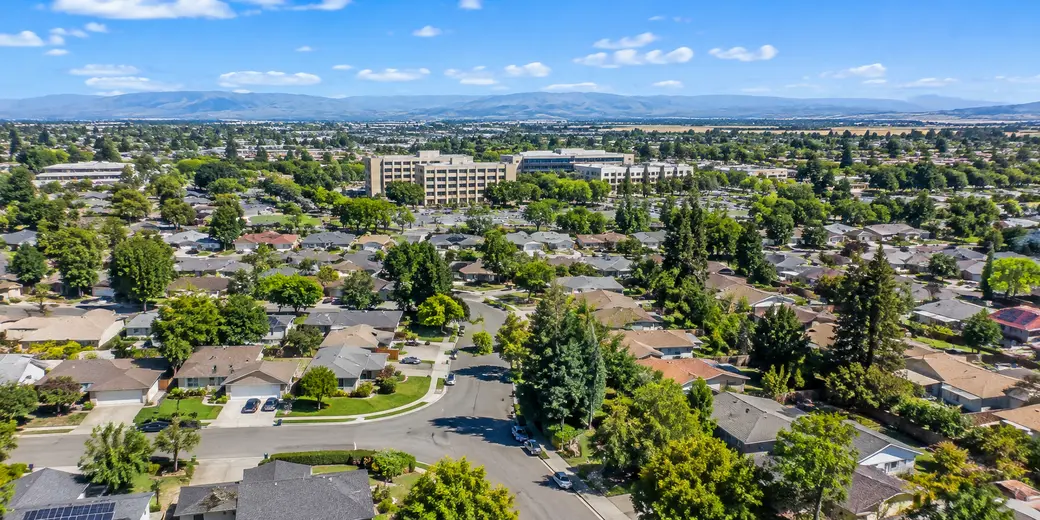
Merced can be a reasonable long-term real estate investment when the purchase price, expected rent, repair budget, and holding period work together conservatively. Merced is a city in Merced County, California, and its investment case rests less on quick resale potential and more on an established renter base, a relatively accessible housing profile, and demand tied to education, healthcare, retail, agriculture, and regional services. For investors, Merced long-term real estate investment is best approached as a property-by-property decision. The location, condition, layout, operating costs, and likely tenant pool can matter far more than a broad citywide headline.
Merced Real Estate: Key Investment Metrics
Current market metrics should be reviewed at the property level before an offer is written. Sale prices, achievable rents, marketing time, and available inventory can differ materially by condition, bedroom count, lot size, location, and financing terms.
For a citywide starting point, the median sale price in the city of Merced was about $415,000 in September 2026, roughly 1% below a year earlier. Homes sold in a median of about 39 days over the three months ending August 2026. These are all-property-type medians, so they describe the market broadly rather than any single rental candidate.
Rather than relying on a single citywide figure, investors should compare recent closed sales with active competition and realistic rent expectations for similar homes. Gross rental yield, calculated as annual scheduled rent divided by purchase price before expenses, is most useful when paired with property taxes, insurance, vacancy, maintenance reserves, and management costs.
The Investment Case for Merced: What the Data Shows
Merced long-term real estate investment is most aligned with a patient buy-and-hold strategy that combines rental income with the possibility of value growth over a full market cycle. It is a less natural fit for investors who need rapid appreciation, aggressive rent increases, or a short resale timeline.
Prices in Merced have been fairly flat over the past year, which keeps purchase basis in focus. A market that is neither surging nor sliding rewards investors who buy well, hold patiently, and let rental income do much of the work. Merced also has a substantial renter presence, which supports an established leasing market alongside owner-occupied housing.
Supply and demand are not uniform across Merced. Newer development areas, established neighborhoods, and locations connected to university activity can attract different tenant and buyer pools. Investors should compare the exact property with nearby closed sales, active listings, competing rentals, and likely maintenance needs.
The practical investment thesis is mixed rather than one-dimensional. A well-bought home with a functional layout and durable tenant appeal may support long-term ownership, while an older property with substantial deferred maintenance can weaken returns even when its initial price appears attractive.
Economic Fundamentals Driving Merced Real Estate
Merced's property demand is supported by several employment and institutional anchors rather than a single industry. Healthcare, retail, education, agriculture, and government-related work are meaningful components of the local employment base. That mix can support demand from households with different schedules, income levels, and housing preferences.
Education is especially relevant to Merced's long-term housing story. UC Merced reported record total enrollment of 9,647 students for fall 2026, an increase of 704 students from the prior fall, and welcomed its largest incoming class in university history. Merced College also reported 12,096 students registered for the fall 2026 semester at the start of classes. Enrollment growth can support demand from students, faculty, staff, and service businesses, though proximity to campus alone does not guarantee rental performance. Property layout, parking, lease structure, and transportation access still affect tenant appeal.
New student housing is part of the picture too. UC Merced's 488-bed Promise Housing complex is nearing completion, and Merced College students are expected to begin moving in this coming January. More on-campus beds can shift how much student demand reaches nearby rentals, so investors targeting students should look closely at the specific property and its competition.
The City of Merced has also continued long-range planning around the proposed high-speed rail station area, including transportation connections and Campus Parkway considerations. Planning activity is not a guaranteed appreciation catalyst, but it can shape future access, land-use patterns, and buyer preferences.
For investors, these fundamentals support disciplined selection. A property should meet the needs of an identifiable tenant group today while retaining practical resale appeal. Reviewing recently sold homes in Merced alongside current market conditions can help ground that analysis in real property comparisons.
Merced Investment Snapshot
The following indicators provide context for a long-term investment review:
- Price trend: The city's median sale price was about $415,000 in September 2026, roughly 1% lower than a year earlier, which makes purchase basis especially important when comparing homes with different conditions and repair needs.
- Rental demand: Leasing is an established housing option in Merced, supported by university, college, healthcare, and workforce demand.
- Education demand: UC Merced enrollment reached 9,647 in fall 2026, up 704 students from the prior fall.
- Marketing time: Homes sold in a median of about 39 days over the three months ending August 2026.
- Inventory level: Inventory should be measured through current active listings and recent closed sales within the same property type and submarket. Local market numbers are a useful place to start.
How Merced Compares with Nearby Markets
A useful nearby-market comparison requires the same property type, condition standard, reporting period, and data source. Without matching those variables, a lower price in one market may look more attractive than it truly is after accounting for repairs, insurance, vacancy, and tenant demand.
For an investor comparing Merced with other Central Valley locations, the most useful measures are purchase basis, achievable rent, operating costs, buyer liquidity, and access to employment or education centers. Citywide comparisons can be a starting point, but they should not replace property-level analysis.
Rental Market Outlook in Merced
Merced's rental market can support a long-term ownership strategy when a property matches a defined tenant group. The local renter presence indicates that leasing is an established housing option, while UC Merced, healthcare, education, retail, agriculture, and public-sector work create demand from students, workers, families, and regional service employees.
Single-family homes may appeal to households seeking bedrooms, parking, storage, and private outdoor space. Smaller homes, apartments, and attached properties may suit students, workers, or smaller households, depending on location, amenities, and monthly cost. Investors should compare rent expectations with competing units that offer similar parking, laundry, energy efficiency, yard responsibilities, and condition.
California landlord-tenant requirements also affect returns. Security-deposit rules, habitability obligations, notice requirements, maintenance timing, and lease administration should be included in the operating plan. Association-governed properties require an additional review of rental caps, lease restrictions, approval requirements, dues, and special-assessment exposure.
A conservative rental model uses achievable rent rather than an optimistic asking price. It should also include vacancy, repairs, insurance, property taxes, utilities where applicable, and management costs. Current rental listings are one reference point for comparing the competition, and a payment scenario run through a mortgage calculator helps test whether projected rent covers financing and carrying costs.
Risks Every Investor Should Weigh
Merced investment property carries risks that should be reflected in price, reserves, and location selection. Environmental exposure is one consideration. Merced County emergency planning identifies hazards including floods, wildfires, earthquakes, and severe weather, so investors should review the specific parcel, insurance options, and local hazard disclosures before committing to a purchase.
Housing age is another key variable. Merced's housing stock includes many older homes, which can make roofing, plumbing, electrical systems, HVAC equipment, drainage, and deferred maintenance important underwriting items. A lower purchase price can be offset by capital expenses if condition is not accurately priced into the deal.
Tenant affordability also matters. Local household incomes sit below the state average, which makes it important to keep rent assumptions aligned with the likely tenant pool and competing housing options. Renovations should be evaluated for their practical leasing value, not simply their visual appeal.
Finally, demand can vary sharply by block. Access to employment, services, schools, transportation routes, parking, and daily retail can influence leasing velocity and resale liquidity. Investors should evaluate the immediate surroundings and comparable rentals rather than relying solely on a neighborhood label.
Investment Property Types in Merced: A Quick Comparison
| Property type | Typical price range | Estimated gross rental yield | Typical buyer profile | Key risk or constraint |
|---|---|---|---|---|
| Single-family home | Varies by location, condition, lot size, and bedroom count | Calculate from verified rent and purchase price | Buy-and-hold investor | Maintenance, turnover, and capital reserves |
| Condo or townhome | Varies by community, condition, and association structure | Calculate after HOA dues and leasing rules | Lower-maintenance investor | HOA dues, special assessments, and rental limits |
| Multi-family small plex | Varies by unit count, condition, and location | Requires unit-level rent and expense analysis | Income-focused investor | Management intensity and deferred maintenance |
| Vacation or short-term rental | Depends on the property and applicable local rules | Requires a property-specific operating model | Hospitality-focused investor | Regulatory changes, furnishing costs, and seasonality |
Quick tip: In Merced, analyze the likely tenant pool at the block level before relying on a citywide rent estimate. Parking, access to university-related destinations, daily services, and employment corridors can materially affect leasing patterns and turnover.
Best Areas in Merced for Investment
North Merced can appeal to investors seeking newer development patterns and access to UC Merced-related activity. Properties here should still be evaluated for bedroom count, parking, transportation access, and whether the home fits student, faculty, staff, or family demand.
Downtown Merced may interest investors considering established housing near civic uses, dining, and services. Opportunities can be highly property-specific because older homes may need modernization, while parking, layout, and maintenance requirements can influence both rental appeal and resale demand.
Central Merced offers a broad mix of residential settings for long-term investors. Homes should be compared by street condition, age, nearby amenities, layout, and the quality of competing rentals. A property with manageable repair needs and practical access to daily services may offer more durable demand than one selected solely for a lower asking price.
South Merced can also warrant review for investors prioritizing access to major roads, shopping, and local employment. The best fit depends on the operating plan. Buyers should compare recent sales, active listings, likely repair costs, and tenant preferences before deciding whether a particular property supports their return goals.
Talk Through a Merced Investment Purchase
A second opinion on rent assumptions and repair costs can save real money before an offer goes in. Ezequiel "Zeek" Carlos, a licensed California real estate agent with Realty Executives of Northern California, has lived in Merced County since 1997 and has sold over 120 properties since starting his real estate career in 2019. He works with buyers, sellers, and investors, from a first rental purchase to a multi-property portfolio, and offers bilingual service in English and Spanish (también hablamos español). If you're planning to use existing equity toward a purchase, how home equity can fund a new home in Merced covers the main financing options. Call or text +1 (209) 769-4140 or email buynsellwithzeek@gmail.com to talk through local property strategy and rental assumptions.
FAQ: Investing in Merced Real Estate
Is Merced a good place to invest in real estate right now?
Merced can work for investors who use conservative underwriting and plan for a longer holding period. The local market has a substantial renter presence and demand connected to education, healthcare, retail, agriculture, and regional services, and UC Merced's fall 2026 enrollment reached a record 9,647. The strongest opportunities are usually properties with realistic rents, manageable repairs, and a defined tenant pool.
What is the average return on investment for rental properties in Merced?
There is no single return figure that applies to every Merced rental. Gross rental yield compares annual scheduled rent with purchase price before expenses, while net return also depends on taxes, insurance, vacancy, repairs, financing, and management. A property-specific model provides a more useful answer than a citywide average.
Is Merced a buyer's or seller's market, and what does that mean for investors?
Merced conditions can differ by price range, condition, and location, so a single market label can be misleading. With the citywide median sale price about 1% below a year earlier and homes selling in a median of about 39 days, investors may have room to negotiate on homes that have been available longer, while well-located properties in strong condition can still attract competition. Recent comparable sales and active listings provide the clearest context.
What are the biggest risks of buying investment property in Merced?
Key risks include hazard exposure, insurance costs, deferred maintenance, tenant affordability, and uneven demand between blocks. Older homes may need larger reserves for major systems, while location can affect rentability and resale liquidity. A conservative operating budget helps account for those variables.
How does Merced real estate perform compared to nearby markets over the long term?
Merced's long-term performance is tied to its role as a regional education, employment, and service center. Comparisons with nearby markets should match property type, condition, rents, operating costs, and time before conclusions are drawn. A lower purchase price only improves an investment when income and expenses support the plan.
Categories
Recent Posts







GET MORE INFORMATION

Agent License ID: 02082288